
Modern replacements for the ageing systems of manufacturers

We replace legacy software with modern web and desktop applications: a clearer interface, faster screens and reports, and code that is easy to maintain. The new application follows the existing workflows, and the data is migrated and verified.

Starting points

  • An old desktop systemAccess, FoxPro, Delphi, or VB6 applications, and custom tools from the 2000s.
  • Spreadsheets that became the systemWorkbooks, macros, and shared files that a business process runs on.
  • A prototype built with AI toolsApplications made with Lovable, Bolt, Cursor, or similar tools, taken to production.

What we deliver

  • The same jobs, fewer stepsA modern interface built around the existing workflows, with fewer steps for everyday tasks and fast pages and reports, even with many years of records.
  • Data migration and verificationRecords and their history are migrated and reconciled against the original system.
  • A gradual switch-overThe old system stays in use until the new one is ready, and the switch-over happens in stages.

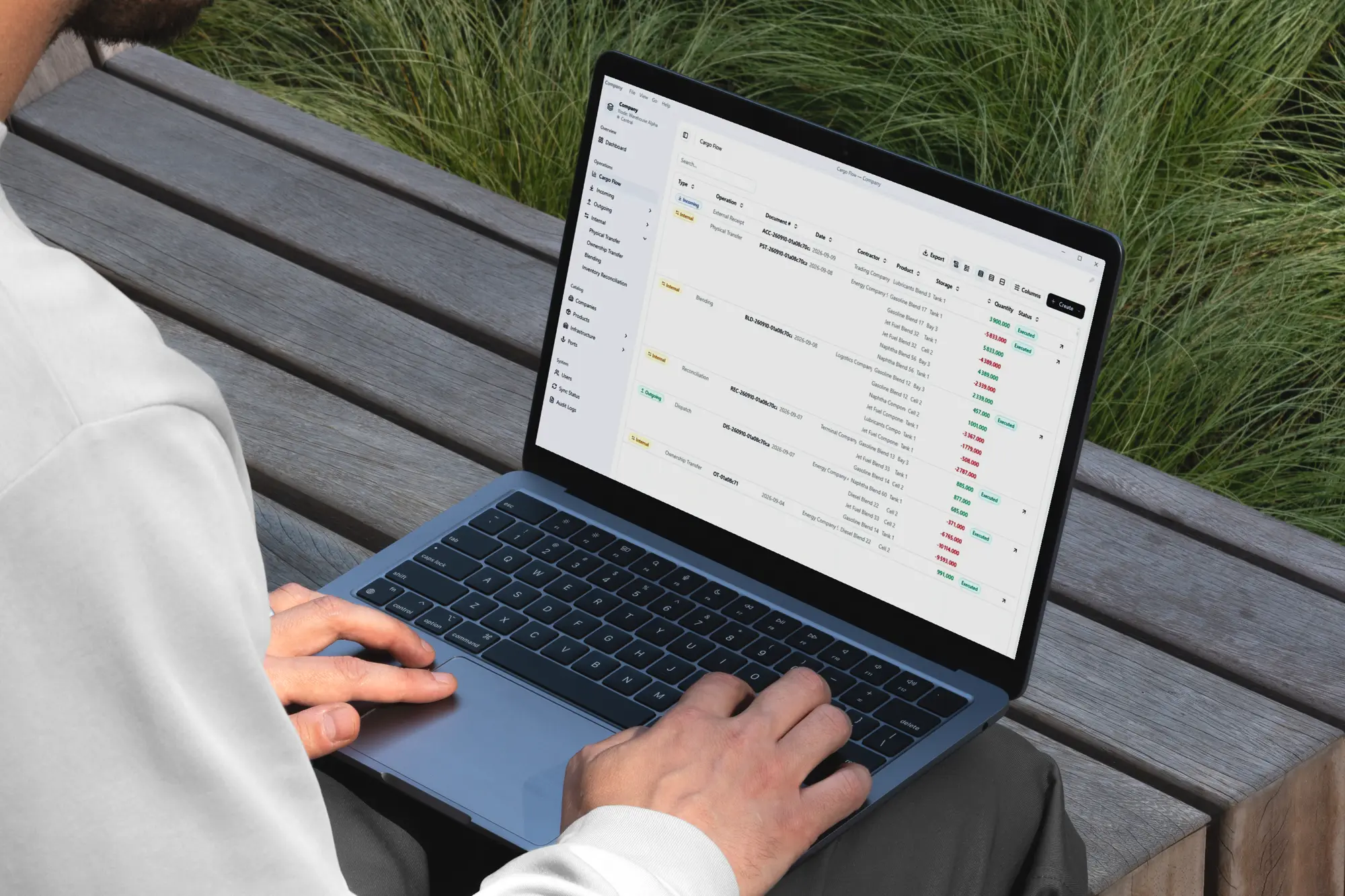
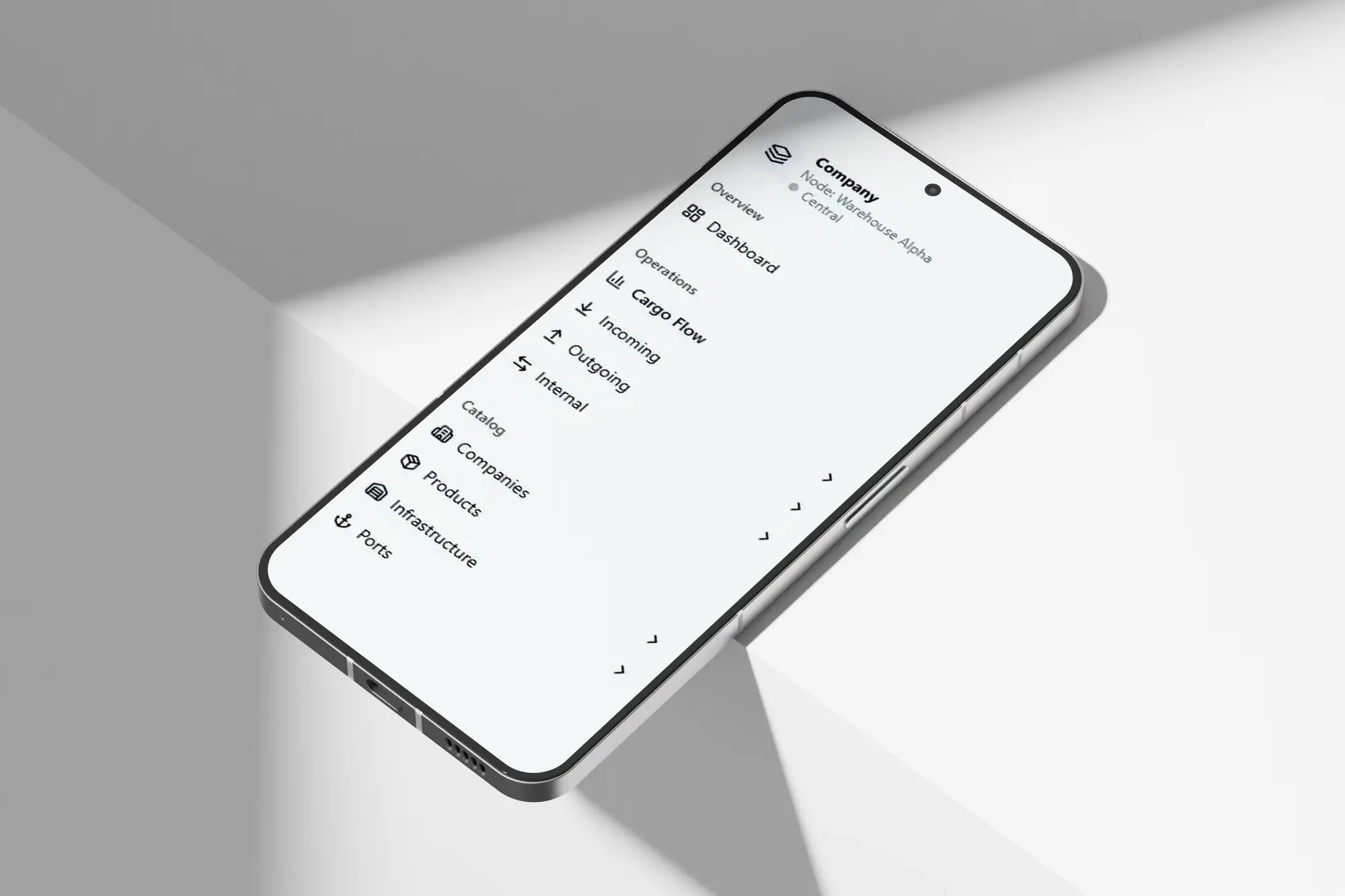
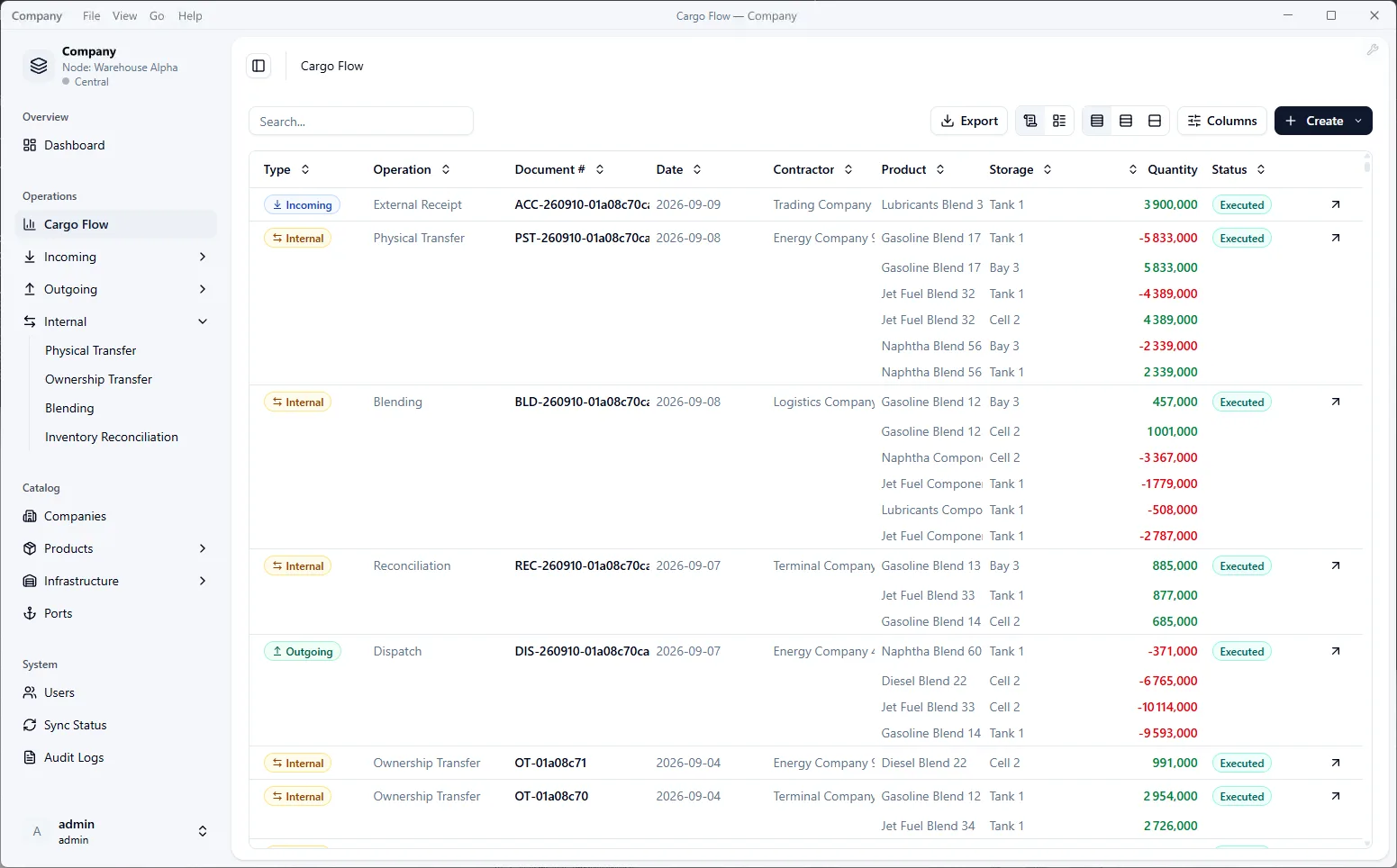
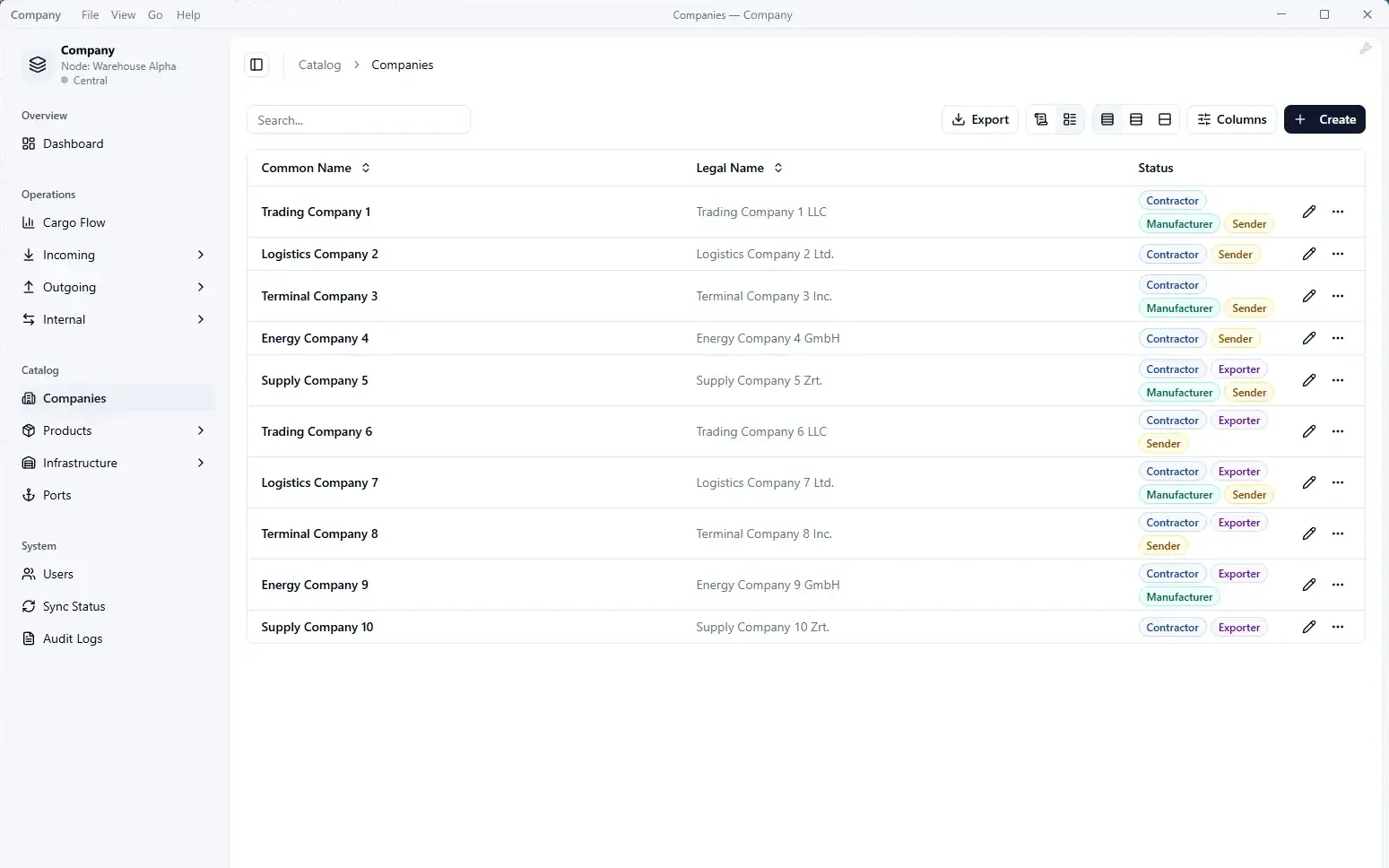
What a replacement looks like: the ERP for liquid cargo operations.

Inventory, ownership transfers, blending, and transport documents that used to live in spreadsheets and email, now in one system. Records were moved over and checked before anyone switched, and the desktop application keeps working when a terminal loses connectivity.

It went from scoping to a working release in under eight weeks.

  • 1 systeminstead of spreadsheets and email
  • Offlinerecords sync when the network returns
  • Rust
  • TypeScript
  • React
  • Docker
  • TanStack

How we work.

  1. 01
    Understand the old system first

    We study the old system, the data, and the workarounds before we write code, and prepare the specification ourselves.

  2. 02
    Modern tools, chosen for the job

    Modern languages, platforms, and hosting that suit the workload best.

  3. 03
    No overengineering

    The simplest architecture that will still be right in two years. Fewer moving parts, fewer surprises.

  4. 04
    Fast software

    Speed comes from a clean design and from measuring on real data.

  5. 05
    Less consulting, more building

    Working software from the first weeks, so decisions are made on something you can try. Each workflow is handed over once it does the job at least as well as the old system.

  6. 06
    Direct communication

    You talk to the engineers writing the code, and you get a written status update every week.

  7. 07
    Production-ready

    Logs, metrics, backups, and documentation are part of the build, so the system runs on its own and the next engineer can continue it.

  8. 08
    Fair price, no surprises

    A fixed price for the agreed scope.

What happens after you write to us.

  1. A reply within 24 hoursAn engineer replies with first questions. We then discuss the design and architecture together and turn the idea into a clear plan, by email, on a call, or in person.
  2. Written proposal (PRD)The scope and a timeline with clear milestones, within a week.
  3. Transparent work and daily communicationWe send daily updates, and you have direct access to the engineers, so decisions and adjustments happen quickly.
  4. Launch and handoverWe deploy the release, and your team accepts it against the criteria agreed in the proposal. You receive the source code, the documentation, and access to everything we set up, so any engineer can continue the work.
  5. Long-term support and evolutionAfter launch, we maintain the application and extend it as requirements change. The first three months of maintenance are included.

MVP package: the first production release

€9,200€11,500−20% founding client offer

6–8 weeks from agreed scope to launch

  • Consultation and project scoping, free
  • UI/UX design
  • Frontend, backend, and integrations
  • Testing, deployment, and documentation
  • 3 months of maintenance, then €300 / month
  • Source code and a clean handover
Contact us
What does founding client mean?

After launch, you agree to a short written interview for a case study. We agree what gets published before the project starts.

Terms

EU companies with a VAT number pay exactly this amount (reverse charge).

Questions about this service

Our prototype was built with AI tools. Can you take it over?

Yes. We read the generated code, keep what is sound, and rebuild what production use requires: the data model, permissions, error handling, and deployment.

Can you replace our spreadsheets without changing how people work?

Yes. The new system keeps the familiar columns, steps, and terms.

Will you need access to the old system?

Yes. We look at the workflows, the data, and the integrations, and talk to the people who use it every day. Access and confidentiality are agreed before the review.

Do we lose our data?

No. Records are migrated in rehearsed runs against real exports, and the result is reconciled against the original before the switch.

How much does a replacement cost?

Most replacements start as an MVP package: €11,500 for a defined scope and 6–8 weeks of development (€9,200 as a founding client). Larger systems and complex data migrations receive a separate estimate after free scoping.

Let's talk about your project.

Schedule an online call (optional)

We use what you write here only to reply to you.